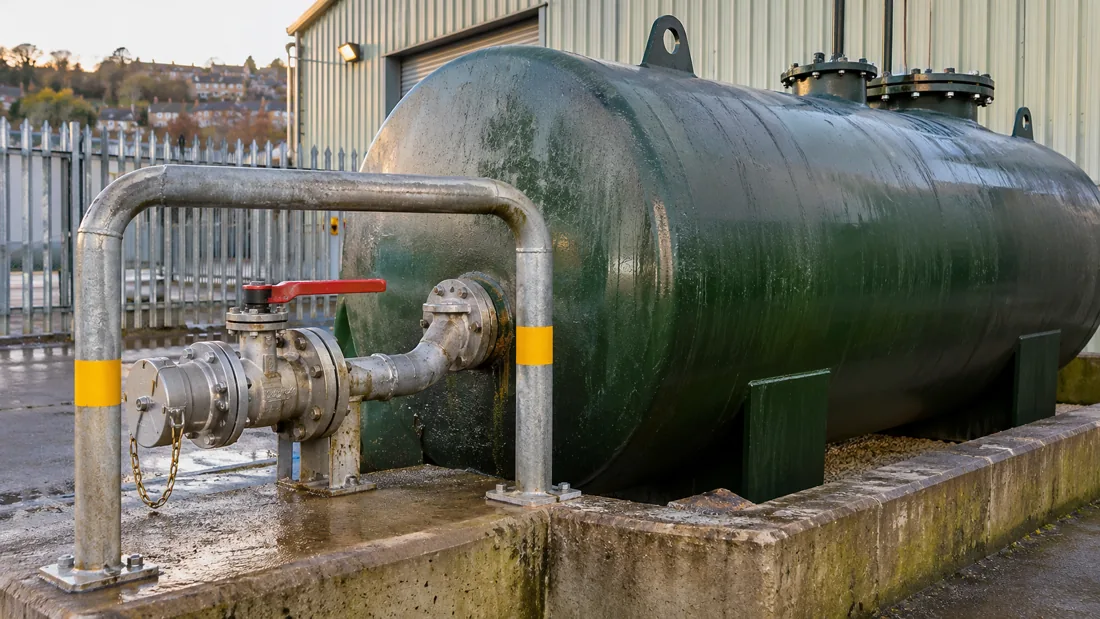
Decide What Decommissioned Means For Your Site
Decommissioning takes a fuel tank out of operational use through a planned process. It is not simply switching off the connected equipment or stopping deliveries. Fuel, residues, connections and future use of the space all need addressing before the tank can be treated as redundant infrastructure.
The final condition should be explicit. A tank may be prepared for physical removal, or assessed for retention in place with suitable treatment. The right choice depends on access, condition, nearby structures, future development and any environmental concerns.
For a Bristol property refurbishment, the practical question is often what the next contractor needs to inherit. A demolition contractor may need a cleared footprint, while a landlord may need a retained tank properly recorded. Tell us the intended use of the space, rather than asking only for an empty tank.
Removal, Retention Or Further Investigation
Removal offers the opportunity to inspect the exposed location and eliminates the retained vessel from the footprint. It can also require substantial access or excavation work. The benefits should be weighed against the effect on buildings, services and the wider construction programme.
Retention may be considered when the tank cannot reasonably be extracted without disturbing surrounding structures. Foam filling is one possible assessed method, rather than a universal answer. A decision to retain a tank should account for future ground loads, access to buried equipment and the property record.
Where the location, contents or structural condition are uncertain, investigation comes first. Old plans, maintenance records and photographs can help identify the system. Neither an apparent empty gauge nor a previous tenant's description establishes that the vessel is safe or that the ground is unaffected.
Manage The System Boundary
List every item connected to the tank, including fill and vent arrangements, fuel supply and return lines, pumps and any shared infrastructure. The scope needs to distinguish equipment being retired from equipment that must remain available. Isolation arrangements should be developed by the competent people responsible for that system.
For a generator supply, agree how the standby function will be maintained during the change. A project may require a replacement system to be commissioned before the old tank is taken offline. Decommissioning needs to fit that sequence, rather than forcing an unplanned interruption.
Prevent future deliveries to a retired system through the agreed final arrangements. Labelling, disconnection records and updated asset information help those taking over the premises understand the change. The contractor and site contact should agree how old fill points and redundant pipework are dealt with.
Contents And Environmental Questions
Remaining fuel must be assessed for recovery or disposal before the vessel receives its final treatment. Fuel volume affects pumping and temporary storage, while settled water and sludge affect cleaning and waste arrangements. Keep known usable product separate from material that needs a waste route.
Report any history of leakage, unusual fuel loss or contaminated ground at the enquiry stage. Decommissioning the equipment does not remove pollution outside it. Environmental investigation or remediation may be needed as a separate scope, particularly before building work disturbs the area.
A completion record should describe the treatment applied and its limits. If a vessel remains underground, its location still matters for future excavation. Record it against a fixed site reference or drawing so the next facilities manager is not left to infer where it sits.
Access And Information To Send
Useful information includes tank capacity, construction, previous contents, approximate remaining volume and the reason for retirement. Send external photographs of the vessel or accessible covers, pipework and vehicle approach. Drawings that show buried services and tank position are valuable for below-ground work.
Mention headroom restrictions, basement stairs, occupied areas and loading limits. For a constrained Bristol yard, show where a tanker or lifting vehicle could stand without blocking essential access. Photographs should include the difficult part of the route, rather than only the tank itself.
State whether the property is changing hands, whether other trades are already booked and whether the programme has a fixed handover date. If a consultant or landlord must approve the final method, identify that requirement early. Written approval of the intended end state avoids incompatible assumptions between parties.
Scope, Cost And Completion Evidence
Price depends on the quantity and condition of contents, cleaning needs, access and final treatment. Removal, excavation, specialist lifting or filling are different work packages. Waste classification and the requirement to maintain live operations can change both the equipment and programme.
Request RAMS that address the actual activity and relevant workplace hazards. HSE's DSEAR guidance covers assessment and control of fire and explosion risks from dangerous substances at work. Any proposed entry into the vessel also needs consideration under the confined-space framework.
Retain the decommissioning record, agreed photographs and applicable waste documents. For removal, request evidence of the disposal route. For foam filling, agree a record identifying the tank, material and quantity used, while keeping any separate environmental report with the property file.
A later change of use may require a new assessment even after decommissioning. A completion document records the work carried out under its stated scope. It should not be treated as blanket permission to excavate, build over the location or undertake hot work on retained infrastructure.
Tank Decommissioning Questions
Is An Empty Tank Decommissioned?
An empty tank is not necessarily decommissioned because residues, vapour and connected pipework can remain. The final treatment and system isolation need an agreed scope, followed by a record of what was done. Give the intended future use of the area so the assessment can address the right outcome.
Does Decommissioning Clear Contaminated Soil?
Tank decommissioning does not automatically include investigation or treatment of contaminated soil. If a leak is known or suspected, raise it before quoting so environmental work can be considered. The equipment record and any ground investigation should remain separate, with each describing the work and limitations clearly.